

Experiencing persistent tingling, numbness, or shooting pains in your hands and feet is more than a physical burden; it is a quality-of-life crisis. If you are searching for relief, you have likely encountered a marketplace flooded with "miracle cures."
At Hypeless Reviews, we cut through the marketing noise. Many turn to nerve support supplements seeking natural nerve pain relief, but not all formulations are created equal. To move beyond temporary masking of symptoms toward genuine nerve function support, you must understand the specific molecular forms and dosages that actually cross the blood-nerve barrier.
The Reality of Nerve Regeneration: Why Most Supplements Fail
The most common reason nerve supplements fail isn't a lack of ingredients, but poor bioavailability. Many off-the-shelf products use cheap, synthetic versions of vitamins that the body struggles to absorb. Nerve repair is a physiological marathon, not a sprint. To see results, a supplement must provide the specific building blocks required for myelin sheath repair and oxidative stress protection at clinically relevant levels.
Essential Ingredients: What the Science Actually Says
Benfotiamine: The Superior Form of Vitamin B1
While many supplements list "Thiamine" (B1), the superior choice for neuropathy is Benfotiamine. Unlike standard B1, Benfotiamine is fat-soluble, allowing it to achieve much higher concentrations in the tissues. Clinical studies suggest it is highly effective at blocking the biochemical pathways that lead to nerve damage, particularly in cases of diabetic neuropathy.
Methylcobalamin (B12): The Foundation for Myelin Repair
Vitamin B12 is non-negotiable for nerve health, as it is essential for maintaining the protective myelin sheath. However, you should look specifically for Methylcobalamin. Most generic supplements use Cyanocobalamin (which contains a cyanide molecule the body must filter). Methylcobalamin is the "body-ready" coenzyme form that supports nerve regeneration more efficiently.
Alpha-Lipoic Acid (ALA): The Antioxidant Gold Standard
ALA is one of the few antioxidants that is both water and fat-soluble, allowing it to protect every part of the nerve cell. Research consistently shows that a daily dose of 600mg is the "sweet spot" for reducing burning sensations and numbness. It works by improving microcirculation to the nerves, ensuring they receive the oxygen and nutrients needed for repair.
Acetyl-L-Carnitine (ALC): Mitochondrial Fuel
ALC is an amino acid derivative that serves as fuel for the mitochondria—the power plants of your nerve cells. By enhancing energy production within the cell, ALC supports the natural repair of peripheral nerves and has been shown in studies to reduce the perception of "shooting" pains.
Dosage Cheat Sheet: Clinically Studied Ranges
I have organized the most critical data into a quick-reference table to help you evaluate any supplement label.
Nerve Support Dosage & Bioavailability Guide:
Ingredient
Recommended Form
Clinical Daily Dosage
Primary Benefit
Vitamin B1
Benfotiamine
300mg - 600mg
Blocks nerve-damaging pathways
Vitamin B12
Methylcobalamin
1,000mcg - 5,000mcg
Myelin sheath synthesis and repair
Alpha-Lipoic Acid
ALA (R-ALA preferred)
600mg
Reduces oxidative stress and burning
Acetyl-L-Carnitine
ALC
500mg - 2,000mg
Cellular energy and nerve growth
Magnesium
Glycinate or Malate
200mg - 400mg
Calms overactive nerve signaling
Herbal Allies: Anti-Inflammatory and Regenerative Support
While vitamins provide the structural foundation, specific botanical extracts act as "biological switches" to dampen inflammation and trigger growth factors.
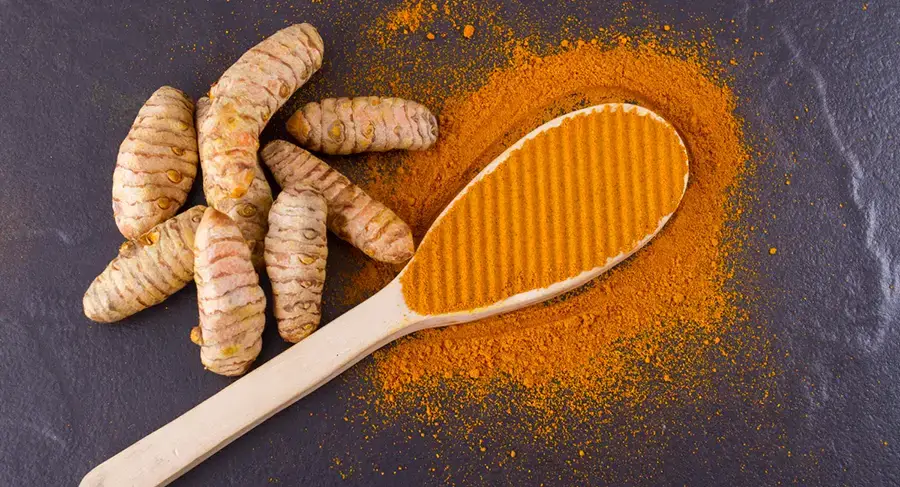
- Curcumin (Turmeric): Inflammation is the primary driver of nerve pain. Curcumin is a potent natural anti-inflammatory, but it is notoriously difficult to absorb. Look for extracts standardized to 95% curcuminoids or those paired with piperine (black pepper extract) to ensure the active compounds reach your bloodstream.
- Lion’s Mane Mushroom: This is one of the few natural substances that can stimulate Nerve Growth Factor (NGF). NGF is a protein that plays a critical role in the survival and regeneration of neurons. For those dealing with long-term nerve damage, Lion's Mane offers a unique regenerative potential that standard vitamins cannot match.
Natural vs. Synthetic: Which Approach is Better?
A common question is whether natural nerve support is superior to synthetic pharmaceutical options. The answer is often "both." While pharmaceuticals are designed to block pain signals (acting as a "mute" button), natural supplements like ALA and Benfotiamine are designed to support the underlying health of the nerve.
Choosing a natural approach isn't just about avoiding side effects; it's about providing the body with the tools it needs to maintain peripheral nerve health over the long term.
How to Choose a Nerve Support Supplement: A Hypeless Checklist
Before you purchase any nerve formula, run it through this three-point checklist:
- Check the Forms: Does it use Benfotiamine (not Thiamine) and Methylcobalamin (not Cyanocobalamin)?
- Verify the ALA Dosage: Does it provide at least 600mg of Alpha-Lipoic Acid? Lower doses are often ineffective for chronic neuropathy.
- Third-Party Testing: Since the FDA does not regulate supplements for efficacy, look for seals from NSF, USP, or Informed-Choice to ensure the ingredients on the label are actually in the bottle.
Moving Toward Lasting Relief
Navigating neuropathy requires a multi-faceted approach. By prioritizing bioavailable ingredients and clinically backed dosages, you move away from the "hype" and toward a strategy that genuinely supports your nervous system.
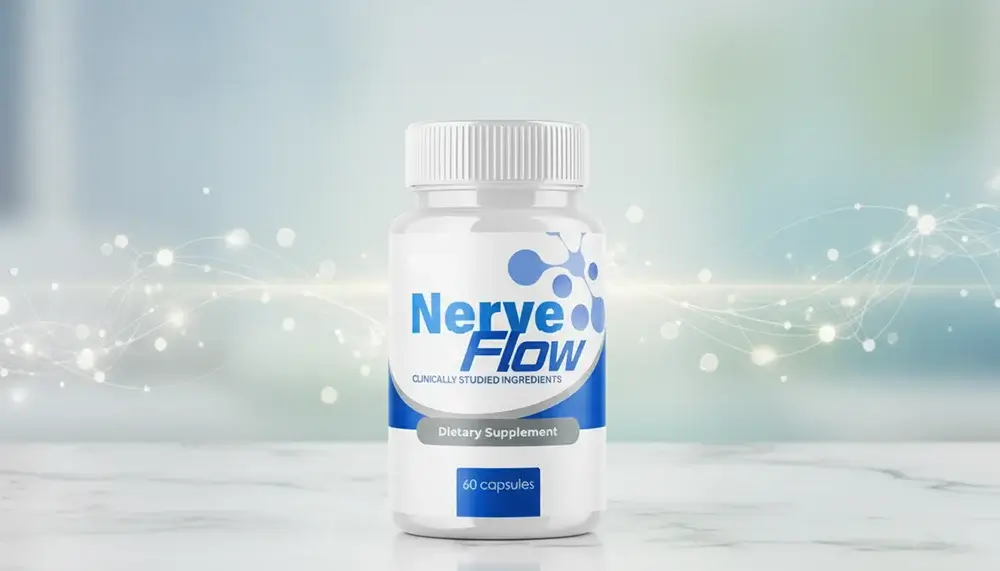
Always consult with your healthcare provider before starting a new regimen, especially if you are managing conditions like diabetes. For a deeper look at specific formulations that meet these rigorous standards, you can read our full NerveFlow Review.
Nerve Flow Review
Does this premium nerve support supplement delivers on its promises?