
In a world that demands constant mental agility, it’s no surprise that more people are seeking ways to sharpen their cognitive edge. You might be a student facing exams, a professional juggling deadlines, or simply someone looking to combat that all-too-common feeling of brain fog. This search often leads to the world of nootropic supplements—compounds designed to enhance cognitive performance.
But venturing into this world can be overwhelming. With countless products making bold claims, how do you separate science from marketing hype? How do you know what actually works?
This evidence-based guide is designed to cut through the noise. We're not here to sell you a magic pill, but to empower you with the knowledge to make an informed decision. We’ll explore the six most scientifically-backed nootropic ingredients, explaining how they work, what the research says, and what to look for on a label. By understanding the building blocks of effective cognitive enhancers, you can better evaluate which supplements for memory and focus are right for you.
Understanding the Mechanisms: How Nootropic Supplements Support Brain Health
Before diving into specific ingredients, it's helpful to know how they work. Effective nootropics don't just provide a temporary jolt like caffeine; they support the underlying biology of your brain. The best brain health supplements work through several key pathways:
Optimizing Neurotransmitters:
They can provide the raw materials for or support the function of neurotransmitters like acetylcholine, which is crucial for cognitive function, learning, and memory.
Enhancing Cerebral Blood Flow:
By improving blood flow, they deliver more oxygen and essential nutrients to brain cells, combating mental fatigue.
Promoting Neuroprotection:
Many ingredients have antioxidant properties that protect brain cells from oxidative stress, a key factor in age-related cognitive decline.
Supporting Neuroplasticity:
Some compounds can stimulate nerve growth factor (NGF), a protein that is vital for the growth, maintenance, and repair of neurons, fundamentally improving the brain's ability to adapt and learn.
Now, let's look at what ingredients improve memory and concentration in these areas.

1. Bacopa Monnieri: The Ancient Herb for Memory Recall
For centuries, Bacopa Monnieri has been a staple in Ayurvedic medicine for enhancing cognitive function. Modern science is now validating this ancient wisdom regarding Bacopa Monnieri for memory recall.
- How it Works: Bacopa contains active compounds called bacosides, which have been shown to repair damaged neurons and improve signaling between brain cells. This directly enhances memory formation and speeds up information processing.
- The Evidence: Multiple high-quality human studies have demonstrated its effectiveness. A meta-analysis of nine randomized controlled trials concluded that Bacopa Monnieri consistently improves memory recall, making it one of the most reliable supplements for memory.
- What to Look For: An extract standardized to a high percentage of bacosides (typically 50% or more) at a clinical dose of around 300 mg.

2. Lion's Mane Mushroom: The Brain's Natural Builder
Often called the “smart mushroom,” Lion’s Mane is gaining significant attention for its unique neuro-regenerative properties. This is a key ingredient when searching for natural alternatives for cognitive decline.
- How it Works: The primary benefit of Lion's Mane comes from its ability to stimulate the production of nerve growth factor (NGF). As mentioned, NGF is essential for brain cell health and neuroplasticity, helping your brain form new connections.
- The Evidence: Studies, particularly in older adults with mild cognitive impairment, have shown that supplementing with Lion's Mane can significantly improve mental functioning. The specific Lion's Mane mushroom cognitive benefits are among the most researched of any functional mushroom.
- What to Look For: A high-quality extract from the mushroom's fruiting body, with doses in studies often ranging from 500 mg to 1000 mg.

3. Citicoline (CDP-Choline): The Mental Energy Powerhouse
If you're struggling with focus and mental clarity, Citicoline should be on your radar. It’s a naturally occurring compound that is vital for brain energy and the production of a key neurotransmitter.
- How it Works: Citicoline does two critical things. First, it increases levels of acetylcholine, the neurotransmitter of learning and focus. Second, it supports the integrity of your neuronal membranes and boosts mitochondrial energy output in the brain.
- The Evidence: Human trials have shown Citicoline improves attention, focus, and recall. It's considered one of the best natural supplements for studying and focus due to its ability to enhance mental energy without the crash associated with stimulants.
- What to Look For: Look for brand names like Cognizin®, which guarantee purity and potency, typically at a dosage of 250 mg to 500 mg.

4. Rhodiola Rosea: The Adaptogen for Beating Mental Fatigue
Brain fog isn't just about memory; it's often caused by stress and burnout. Rhodiola Rosea is a powerful choice among adaptogens for stress, a class of herbs that help your body adapt to physical and mental strain.
How it Works: Rhodiola works by balancing the body's stress-response system, primarily by modulating cortisol levels. This reduces feelings of mental fatigue and burnout, allowing for improved concentration and endurance.
The Evidence: Research has confirmed its anti-fatigue effects. One study on physicians working night duty found that Rhodiola supplementation significantly reduced fatigue and improved performance on work-related tasks.
What to Look For: An extract standardized for its active compounds, rosavins (3%) and salidrosides (1%), at doses between 100 mg and 300 mg.

5. L-Theanine: The Key to Calm, Relaxed Focus
Found naturally in green tea, L-Theanine is an amino acid prized for its ability to promote a state of “wakeful relaxation.” It is frequently cited as a top ingredient in supplements for focus.
How it Works: L-Theanine increases alpha brain waves, which are associated with a state of calm alertness—the kind you experience during meditation. It also influences neurotransmitters like GABA, dopamine, and serotonin, promoting a positive mood without causing drowsiness.
The Evidence: Studies show that L-Theanine improves attention and reaction time, particularly in individuals prone to anxiety. It’s an excellent ingredient for those who want to enhance focus without the jitters of stimulants.
What to Look For: Doses are typically between 100 mg and 200 mg.

6. Phosphatidylserine (PS): The Cell Membrane Protector
Phosphatidylserine is a type of fat compound that is a vital component of every cell membrane in your body, but it is particularly concentrated in the brain.
- How it Works: PS is essential for healthy nerve cell membranes and myelin, ensuring efficient communication between neurons. It supports glucose metabolism in the brain, which is critical for mental energy.
- The Evidence: Extensive research has linked PS supplementation to improved memory, mood, and cognitive function, especially in older individuals. It's one of the most proven ingredients for supporting long-term brain health.
- What to Look For: Effective doses typically fall in the 100 mg to 300 mg range.

A Critical Consideration: Proprietary Blends vs. Transparent Dosing
Now that you know the top ingredients, there's one more crucial piece of the puzzle: dosage. This brings up a common red flag in the supplement industry: the proprietary blend.
Many brain fog supplements hide their ingredient amounts behind a “proprietary blend.” They list the ingredients but only give a total weight for the entire blend. This leads to a vital question:
Are Proprietary Blend Supplements Effective?
The answer is almost always no. This practice allows manufacturers to “fairy dust” their formulas with tiny, ineffective amounts of premium ingredients while filling the rest with cheaper ones. Without knowing the exact dose of each component, you cannot verify if you're getting the clinically-studied amounts we discussed above.
Always choose nootropic supplements with a fully transparent label that clearly states every ingredient and its exact dosage. This transparency is a hallmark of a high-quality, trustworthy brand.
Conclusion: Making an Informed Choice for Your Brain
Navigating the world of nootropic supplements doesn't have to be confusing. By focusing on scientifically-validated ingredients and demanding label transparency, you can move from uncertainty to confident decision-making regarding how to improve mental clarity and reduce brain fog.
Your checklist for evaluating a supplement should now be clear:
- Evidence-Based Ingredients: Does it contain proven compounds like Bacopa Monnieri, Lion's Mane, and Citicoline?
- Clinical Dosages: Are the ingredients included at the effective amounts confirmed by research?
- Full Transparency: Does the label show you exactly what you're getting, or does it hide behind a proprietary blend?
- Synergy: Do the ingredients work well together to provide comprehensive cognitive support?
Armed with this knowledge, you are now equipped to analyze different brain health supplements on the market. For a practical example of how these principles come together in a well-formulated product, an in-depth review of a formula like MemoTril can provide valuable insight into what a premium nootropic looks like in practice.
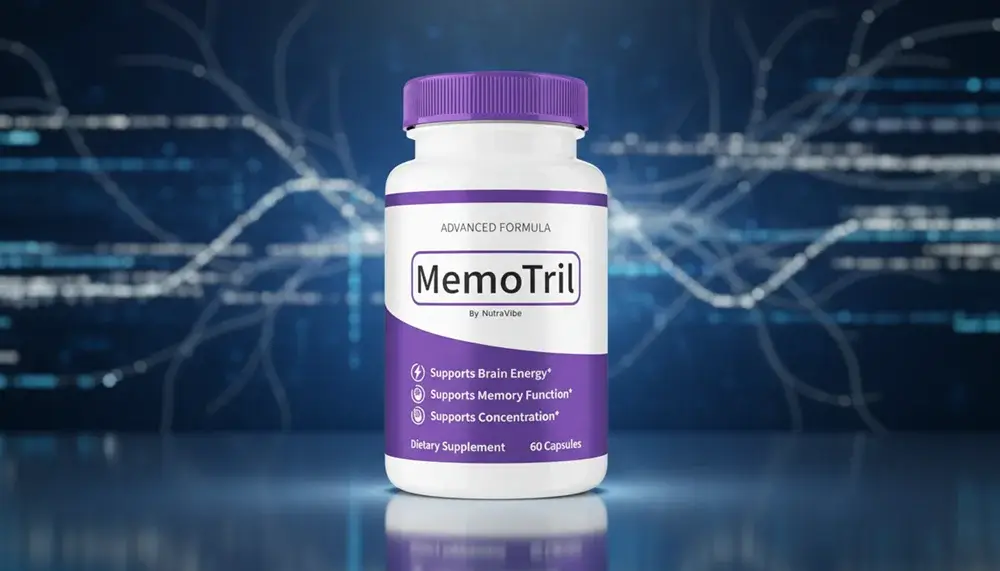
Memotril Review
Is This Brain Health Supplement Effective?